

Why do some Christians eat pork while others don’t?

The consumption of pork is a debated topic among Christians due to varying interpretations of religious texts. Some Christians believe that dietary restrictions from the Old Testament no longer apply, while others adhere to these restrictions as a matter of personal conviction or cultural tradition.
It is not uncommon for people to associate certain dietary restrictions with religious beliefs, and one of the questions that often arises is why some Christians choose to eat pork while others avoid it.
The consumption of pork has been a topic of debate among Christians, with varying interpretations of the biblical passages that touch on dietary restrictions.
In this blog, we will delve into the biblical analysis of why Christians eat pork, exploring the old and new testament teachings, the role of Jesus, the significance of Peter’s vision, and the freedom in Christ’s redemption.
By examining these elements, we hope to shed light on this complex topic and provide a deeper understanding of Christian dietary choices.
The Biblical Context Of Why Do Christians Eat Pork

To understand the reasons why Christians eat pork, it is essential to examine the biblical context surrounding dietary restrictions. In the old testament, specifically the law of Moses, there are clear prohibitions on certain animals, including the flesh of pigs, labeled as unclean meat.
These dietary restrictions were given to the Israelites, outlining what was considered clean and unclean animals. Understanding the old testament prohibition, as described in the book of Isaiah, and the reasons behind it is crucial to interpreting how dietary choices have evolved in the new testament.
Understanding The Old Testament Prohibition
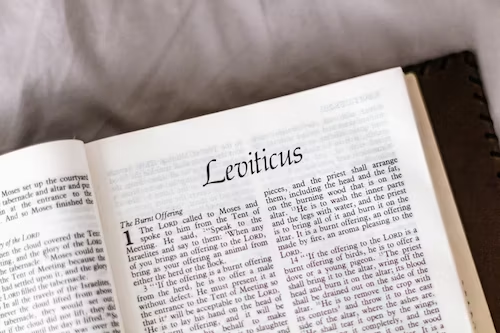
The old testament contains specific instructions regarding dietary restrictions, which included prohibitions on consuming certain animals, including idols. Leviticus and Deuteronomy provide detailed information on what is considered unclean animals.
The dietary restrictions served several purposes, including maintaining the purity of the Israelites, promoting health, and differentiating them from other nations.
For example, animals that chewed the cud and had split hooves were considered clean, while those that did not meet these criteria, such as pigs, were classified as unclean.
These dietary restrictions, which included avoiding the consumption and touching of unclean animal carcasses, were an integral part of the old testament law, which the Israelites followed as a covenant with God.
The Law Given To Moses

Moses received the law directly from God, including the dietary restrictions, as part of the old covenant given to the people of Israel. The old testament law, often referred to as the law of Moses, encompassed various aspects of life, including dietary guidelines.
These laws served as a covenant between God and the Israelites, outlining their obligations and responsibilities. Observing the dietary restrictions was seen as a demonstration of obedience and reverence towards God.
The law of Moses, including the dietary restrictions, played a significant role in shaping the identity of the Israelites as a chosen nation and setting them apart from other cultures.
Transition From Old Testament To New Testament

With the advent of the new testament, a transition occurred from the old covenant to the new covenant brought by Jesus Christ. This transition led to a shift in the understanding of dietary laws and their application to Christians.
The new testament provides insights into Jesus’s teachings and his role in reshaping certain aspects of Jewish tradition, including dietary restrictions. Exploring the new testament is crucial to understanding the reasons why Christians eat pork and the freedom they find in Christ.
Jesus’s Role In Food Cleanliness
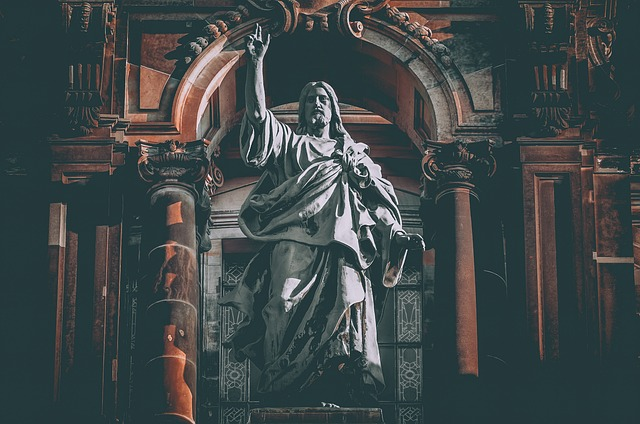
Jesus, during his earthly ministry, addressed the issue of food cleanliness, challenging traditional interpretations of the old testament dietary laws.
In the new testament, specifically in the book of Matthew, Jesus engaged in debates with the pharisees, who emphasized strict adherence to dietary restrictions.
Jesus emphasized the importance of inner purity over external cleanliness, teaching that what comes out of a person defiles them, rather than what goes into their mouth.
This new perspective on food cleanliness, taught to his disciples, is crucial in understanding Jesus’s role in food cleanliness and why Christians no longer adhere strictly to the old testament dietary restrictions, including the prohibition of eating pork, as seen in the Jerusalem Council recorded in Acts 15.
Shift In Dietary Laws
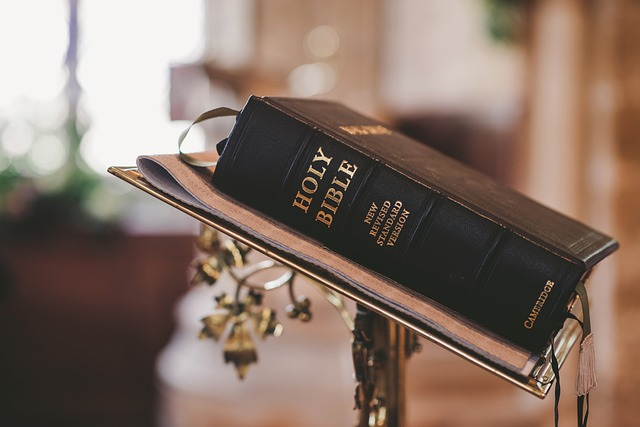
The new testament brought about a profound shift in dietary laws, particularly for gentile Christians. Through the teachings of Jesus and the apostle Paul, the early Christian community grappled with the question of dietary restrictions.
In his letters, Paul addressed the issue of dietary choices, emphasizing that believers in Christ are no longer bound by the old covenant regulations.
The apostle Paul, in his letter to the Galatians, emphasized that the kingdom of God is not about eating and drinking, but about righteousness, peace, and joy in the Holy Spirit.
This shift in dietary laws, including the abandonment of circumcision, as seen in Galatians, played a significant role in shaping Christian practices regarding pork consumption.
Peter’s Vision And Interpretation
Peter, one of the prominent apostles and a key figure in early Christianity, had a significant encounter with God through a vision. This vision, with its interpretation, played a crucial role in shaping the early Christian understanding of dietary restrictions, including the consumption of pork.
Examining Peter’s vision and its significance is essential for comprehending the reasons why Christians eat pork.
God’s Revelation To Peter
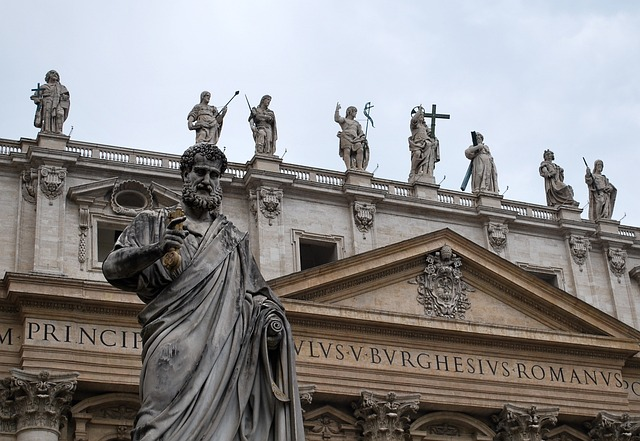
In Acts 10, Peter received a revelation from God in the form of a vision. This revelation challenged Peter’s adherence to the traditional dietary restrictions and expanded his understanding of God’s plan for salvation.
Through this vision, God made it clear to Peter that he should no longer consider any food unclean, including pork. The vision and subsequent events involved the inclusion of Gentiles (non-Jews) in God’s plan of salvation, highlighting the shift from a solely Jewish perspective to a more inclusive approach.
This revelation, as described in verse 14, marked a significant turning point in the early Christian understanding of dietary restrictions and contributed to the reasons why Christians, including Jews, eat pork today.
Implication Of Peter’s Vision
Peter’s vision, along with its interpretation, had profound implications for the early Christian community. It signified the acceptance of Gentile believers into the faith without the requirement of adhering to Jewish dietary restrictions.
The vision challenged the traditional understanding of clean and unclean meat, emphasizing that all foods were now considered clean in the eyes of God. This had far-reaching implications for both Jewish and Gentile Christians, as it paved the way for a more inclusive and encompassing faith.
Ultimately, Peter’s vision played a crucial role in establishing the reasons why Christians eat pork today.
Do Christians Need To Follow Jewish Ceremonial Law?
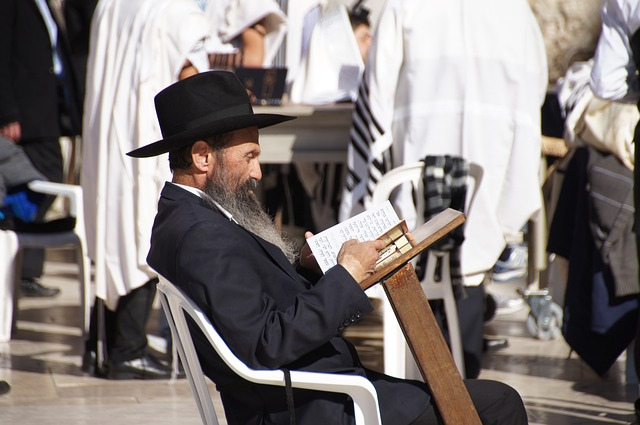
The question of whether Christians need to follow Jewish ceremonial law, including dietary restrictions, is a topic of debate within the Christian community.
Understanding the distinction between cultural and moral laws is essential in comprehending the reasons why dietary restrictions no longer apply to Christians. In exploring this topic, we will delve into the freedom in Christ’s redemption and the implications it has for Christian dietary practices.
Distinguishing Between Cultural And Moral Laws
To understand the reasons why Christians no longer follow Jewish ceremonial law, it is crucial to distinguish between cultural and moral laws. The old testament encompasses various types of laws, including those of a cultural and moral nature.
Cultural laws, such as dietary restrictions, were specific to the time and context in which they were given, serving religious, health, and societal purposes. Moral laws, on the other hand, are universally applicable and timeless, reflecting God’s unchanging moral standards.
The new testament, with the advent of Christ, brought about a shift in understanding, distinguishing between cultural and moral laws, which is integral to comprehending Christian dietary practices.
The Freedom In Christ’s Redemption

The freedom in Christ’s redemption is a central theme in Christianity, emphasizing the liberation of believers from the old covenant regulations, including dietary restrictions.
Through his sacrificial death and resurrection, Christ established a new covenant, replacing the old covenant of the law of Moses. This new covenant is characterized by grace, freedom, and salvation through faith in Christ.
As a result, Christians are no longer bound by the dietary restrictions of the old testament law, finding freedom in Christ’s redemption. Understanding this freedom is essential in comprehending the reasons why Christians eat pork.
Importance Of Context In Biblical Interpretation
When analyzing biblical teachings, it is crucial to consider the importance of context. Contextual understanding helps prevent misinterpretation and provides a more accurate grasp of biblical principles.
This is particularly relevant when delving into passages related to dietary restrictions and pork consumption.
By examining the cultural and historical context, as well as applying wisdom in interpreting scripture, we can gain a deeper understanding of the reasons why Christians eat pork, taking into account the broader framework of the Bible.
Relevance Of Cultural And Historical Context

The cultural and historical context is significant when exploring dietary restrictions and their relevance to Christians. The old testament dietary restrictions were established within a specific cultural and historical context, serving the purpose of the time.
As the new testament was written, dietary practices underwent a transformation, reflecting the shift in cultural norms and the inclusion of Gentile believers.
Understanding the cultural and historical context is vital in comprehending why Christians no longer adhere to the dietary restrictions of the old testament, including the consumption of pork.
Analyzing Scripture With Wisdom
Analyzing scripture with wisdom is essential for a comprehensive and accurate interpretation of biblical teachings, including those related to dietary restrictions.
Wisdom, guided by the Holy Spirit, aids in grasping the deeper meanings and messages embedded within the word of God. By applying wisdom, Christians can navigate through the complexities of dietary guidelines and discern the reasons behind specific practices.
This approach enables a balanced understanding of scripture, ensuring that dietary choices are made in accordance with God’s word.
Common Misconceptions About Christian Diet
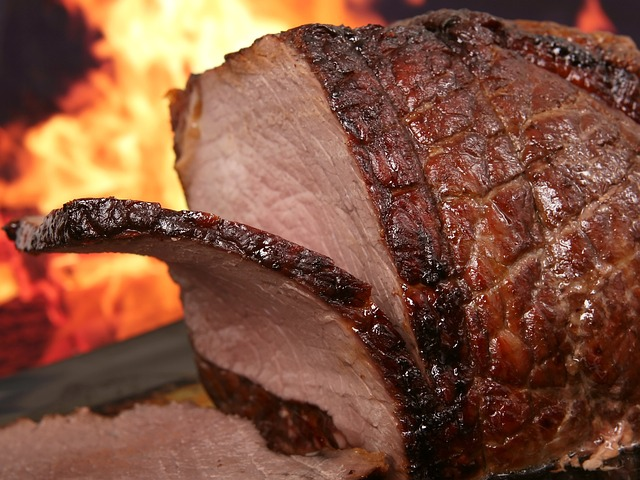
When discussing the reasons why Christians eat pork, it is essential to address common misconceptions surrounding the Christian diet.
Misinterpretations or incomplete understandings of biblical teachings can lead to misconceptions about unclean meat and dietary restrictions, such as the belief that eating pork is considered adultery or theft.
Debunking these misconceptions will provide clarity and a more accurate perspective on the reasons why Christians make particular dietary choices.
Addressing the “Old Testament Only” Argument
One of the commonly raised arguments is the “Old Testament Only” perspective, which suggests that Christians should adhere strictly to the dietary restrictions outlined in the old testament.
Addressing this argument is essential in comprehending the reasons why Christians do not solely rely on the old testament for their dietary guidelines.
By examining the shift from the old covenant to the new covenant brought by Christ, we can understand the significance of dietary freedom in Christianity.
Debunking The Unclean Meat Misconception
Another misconception that needs to be addressed is the idea that the consumption of unclean meat is prohibited in both the old and new testament.
By examining the biblical passages related to dietary restrictions, including the lifting of the ban on unclean meat, we can debunk this misconception and gain a clearer understanding of the reasons why Christians eat pork today.
Exploring The Freedom In Christ

Exploring the freedom found in Christ is a crucial aspect of understanding Christian dietary choices, including the decision to eat pork. The freedom offered through Christ’s salvation extends to all areas of life, including dietary decisions.
By examining how this freedom is embraced, Christians can make informed dietary choices that align with their faith and personal convictions.
Can Dietary Choices Impact Our Relationship With God?
The impact of dietary choices on one’s relationship with God is a subject of debate among Christians. While dietary restrictions are no longer binding, the question of whether dietary choices can affect spirituality remains.
Exploring the reasons behind dietary choices, including health reasons, can contribute to a deeper understanding of how dietary decisions can impact one’s relationship with God.
By considering the principles of freedom in Christ and personal convictions, Christians can navigate this topic and make dietary choices that honor their faith.
Frequently Asked Questions
What does the Bible say about eating pork?

The Bible addresses the topic of eating pork in various passages, particularly in Leviticus and Acts. Leviticus 11:7 states that pigs, among other animals, are considered unclean and should not be consumed.
However, in the New Testament, Jesus declared all foods clean, including pork. This is further emphasized in the vision given to Peter in Acts 10, where he is instructed to eat animals that were previously considered unclean, including pork.
These passages highlight the shift in dietary restrictions for Christians, indicating that pork, including popular forms such as ham and bacon, is no longer prohibited and can be enjoyed with thanksgiving.
Are there any cultural or historical factors that influence the Christian perspective on pork consumption?
Cultural and historical factors have undoubtedly influenced the Christian perspective on pork consumption. Early Christians, many of whom were of Jewish descent, followed dietary restrictions outlined in the old testament, including abstaining from pork.
However, as the early Christian community expanded and included gentile believers, the influence of diverse cultural practices began to shape dietary choices. Some Christian sects, such as Seventh-day Adventists and converts from Islam, continue to avoid pork consumption due to cultural or historical reasons.
The Christian perspective on pork consumption is multifaceted, based on personal convictions, cultural heritage, and interpretation of biblical teachings.
How do different Christian denominations interpret the biblical passages related to dietary restrictions?

Different Christian denominations interpret the biblical passages related to dietary restrictions in various ways. Some denominations believe that dietary restrictions are no longer applicable to Christians, as the new covenant through Christ supersedes the requirements of the old testament law.
Others may interpret the passages differently, giving them differing levels of significance. Ultimately, how different Christian denominations interpret dietary restrictions depends on their understanding of biblical teachings, cultural context, and theological perspectives.
The interpretation of these passages can vary, resulting in diverse dietary practices among Christians.
Can a Christian still follow a vegetarian or vegan diet while remaining faithful to their beliefs?
Conclusion
In conclusion, the topic of eating pork in Christianity is a complex one that requires a deep understanding of biblical context and interpretation.
While the Old Testament prohibited the consumption of pork as part of the Mosaic Law, the New Testament brought a shift in dietary laws through Jesus’s teachings and the revelation to Peter.
Christians are no longer bound by the ceremonial laws of the Old Testament, as they now have freedom in Christ’s redemption. It is important to consider the cultural and historical context when analyzing biblical passages related to dietary restrictions.
Ultimately, dietary choices do not impact one’s relationship with God, as it is a matter of personal conviction. If you found this blog informative, make sure to share it on social media to spread awareness and encourage meaningful conversations about faith and food.