

Halloween, with its costumes, pumpkin carving, and trick-or-treating, is a holiday celebrated around the world. However, for Christians, the question of whether to participate in Halloween festivities can be a source of debate and discussion.
Is it a holiday that aligns with Christian beliefs, or does it conflict with them? In this blog, we will explore the historical perspective of Halloween, examine Christianity’s view on the holiday, and discuss the alternatives available to Christians.
While there is no definitive answer, each individual must grapple with this ethical dilemma and make a personal decision based on their faith and convictions.
The Historical Perspective Of Halloween
Halloween has a rich history that dates back thousands of years, with origins rooted in pagan holiday and harvest festivals. The holiday’s early roots can be traced to the ancient Celtic festival of Samhain, celebrated in northern Europe.
Samhain marked the end of the harvest season and the beginning of winter, and it was believed that during this time, the boundary between the living and the dead was blurred. As Christianity spread, the celebration of Samhain evolved into All Hallows’ Eve, also known as Halloween, the night before All Saints’ Day.
Origin And Evolution Of Halloween
The origins of Halloween can be traced back to ancient pagan traditions, but over time, it has evolved into a cultural celebration with both pagan and Christian influences.
Halloween, also known as Hallow’s Eve, marks the eve of All Saints’ Day, a Christian holiday commemorating all saints, known and unknown. The holiday’s evolution reflects the influence of different traditions, blending pagan practices with Christian customs.
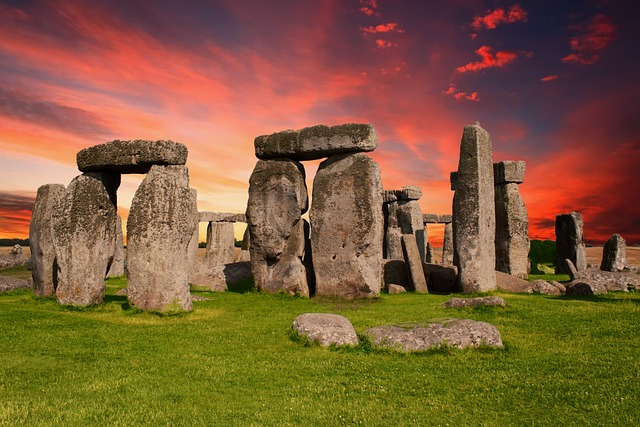
The pagan origins of Halloween are deeply rooted in harvest festivals and rituals practiced by the ancient Celts. Samhain, which means “summer’s end” in Gaelic, was a pagan holiday celebrating the end of the harvest season and the beginning of winter.
It was believed that on the night of Samhain, the boundary between the living and the dead was blurred, and spirits could roam freely among the living. Bonfires were lit, costumes were worn, and offerings were made to appease these spirits.
With the spread of Christianity, the celebration of Samhain transformed into All Hallows’ Eve, a day to remember saints and martyrs. The name “Halloween” itself is derived from “All Hallow’s Eve.”
While the holiday retained some of its pagan elements, such as pumpkin carving and wearing costumes, it became associated with Christian practices and traditions.
Halloween Traditions And Customs
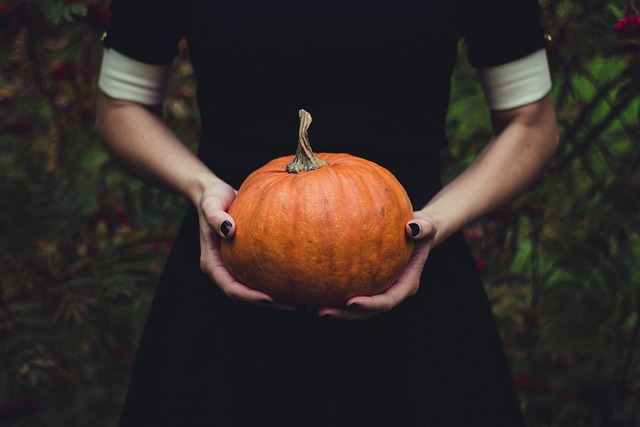
Today, Halloween is celebrated with various customs and traditions, many of which have roots in both pagan and Christian practices. One of the most iconic symbols of Halloween is the carved pumpkin, also known as a jack-o’-lantern.
This tradition originated from an Irish folktale about a man named Stingy Jack who tricked the devil. According to the legend, Stingy Jack was condemned to roam the Earth with his carved-out turnip lantern.
Trick-or-treating is another popular Halloween tradition, where children dress up in costumes and go door-to-door, asking for candy.
This practice can be traced back to the medieval practice of “souling,” where communities would go door-to-door, offering prayers for the souls of the deceased in exchange for “soul cakes” or other treats.
While many of these traditions have pagan origins, they have been assimilated into Christian practices over time. For example, the celebration of Halloween is often seen as an opportunity for communities to come together, promoting kindness, generosity, and neighborliness.
Churches may organize alternative events, such as “Trunk or Treat” or fall festivals, providing a safe and family-friendly environment for children to participate in Halloween festivities.
Christianity’s View On Halloween
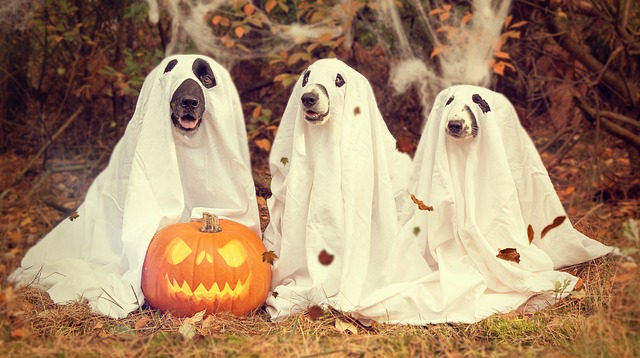
As with many cultural practices, Christianity’s perspective on Halloween is diverse and varies among individuals and communities. Some Christians fully embrace the holiday, viewing it as a cultural celebration that can be observed in a manner consistent with their faith.
Others, however, have reservations about participating in Halloween, citing concerns about its pagan origins and associations with occult practices. Ultimately, the view of Halloween within Christianity is a matter of personal conviction.
Christian Perspectives On Halloween Celebrations
Christian perspectives on Halloween celebrations range from enthusiastic participation to complete avoidance. Some Christian parents choose not to involve their young children in Halloween activities, while others view it as an opportunity to engage with their communities in a spirit of kindness and outreach.
The decision to celebrate or abstain from Halloween can vary among different Christian communities, reflecting diverse beliefs and practices.
For those who choose to participate, Halloween can be a time to demonstrate godly values and kindness. Some Christians see Halloween as an occasion to engage with their communities, showing the love of God through acts of kindness and generosity.
They may distribute candy, organize community events, or use the holiday as an opportunity to connect with neighbors and share the gospel.
On the other hand, some Christians believe that participating in Halloween could potentially lead to the acceptance of occult practices or compromise their faith. They may cite Bible verses condemning divination, witchcraft, and sorcery as reasons for their decision to avoid Halloween.
Additionally, concerns about the glorification of evil spirits, occult symbols, and themes of death associated with Halloween play a role in shaping their perspective.
It is important to note that the celebration of Halloween is not explicitly addressed in the Bible, and Christians must discern how biblical principles relate to the observance of cultural practices.
Each individual, guided by their personal faith, must prayerfully consider their own convictions when deciding whether to participate in Halloween activities.
Biblical References Related To Halloween
While Halloween is not directly mentioned in the Bible, there are biblical references that can inform Christians’ discernment regarding its celebration.
The Bible provides principles and guidance on various aspects of life, and believers seek to align their practices with biblical teachings, including those relevant to Halloween.
When considering Halloween, Christians may reflect on verses that caution against participation in occult or pagan rituals. In Deuteronomy 18:10-12, the Lord warns against various practices, including divination, sorcery, witchcraft, and human sacrifices, all of which were associated with pagan festivals and practices.
The apostle Paul also urges believers to avoid practicing divination, sorcery, and witchcraft, emphasizing the importance of godly living and obedience to Christ (Galatians 5:19-21).
At the same time, Christians are called to discern cultural practices and their impact on their faith. 1 Corinthians 10:23 reminds believers that “all things are lawful,” but not all things are beneficial or edifying.
Christians are encouraged to exercise discernment and consider the impact of their actions on their witness as followers of Christ.
While the Bible does not provide a definitive answer regarding the celebration of Halloween, it encourages Christians to reflect on their motives, seek wisdom through prayer, and apply biblical principles to their decisions.
Ultimately, the individual believer must prayerfully discern how their participation in Halloween aligns with their faith and values.
Halloween And Contemporary Christian Practice
Reasons for Christian participation in Halloween revolve around community engagement and outreach, while reasons for avoidance are rooted in concerns over the holiday’s pagan origins.
Many Christians view Halloween as an opportunity to share the message of light in the darkness, reflecting on the power of God to overcome evil. Some prefer alternative celebrations like Reformation Day or All Saints’ Day to honor biblical characters and martyrs.
Ultimately, the decision to participate in Halloween is a personal one and should be approached with discernment and prayer.
Reasons Some Christians Participate In Halloween
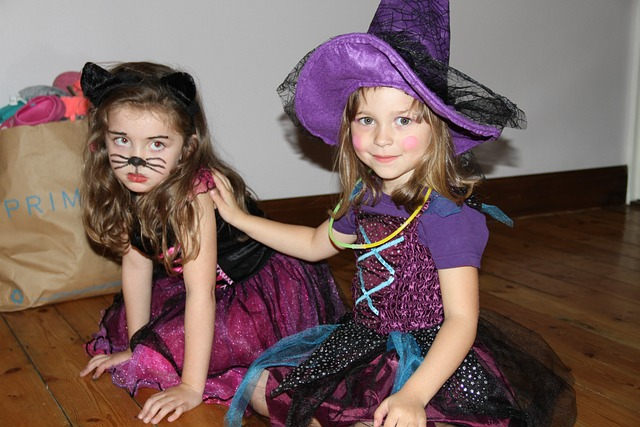
Participating in Halloween allows some Christians to engage with their communities and demonstrate godly values through acts of kindness. They see it as an opportunity to share love and compassion, embodying the teachings of the Lord.
For them, it’s a chance to reach out, show kindness, and be a positive influence in their neighborhoods, reflecting the power of God’s love in their lives.
Reasons Some Christians Avoid Halloween
Some Christians opt out of Halloween because of its pagan roots and customs. The holiday’s historical associations with occult activities are a deterrent for certain Christians.
Concerns about Halloween’s pagan beginnings lead some Christians to abstain from it. The decision to avoid Halloween within Christian communities is deeply connected to apprehensions about pagan rituals and origins.
Alternatives To Halloween For Christians
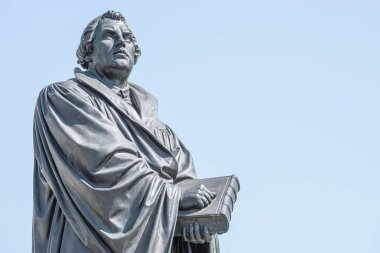
Considering the ethos of Christianity, some congregations choose to celebrate Reformation Day on October 31st. This day commemorates Martin Luther’s nailing of the 95 Theses to the Wittenberg church door in 1517, sparking the Protestant Reformation.
Additionally, All Saints’ Day on November 1st and All Souls’ Day on November 2nd offer opportunities for Christians to honor departed loved ones and reflect on their faith. These observances can provide alternative ways to focus on faith and community without partaking in traditional Halloween festivities.
Reformation Day Celebrations
Reformation Day, which marks the day Martin Luther posted the 95 Theses on the church door in 1517, is a significant event for Protestant churches, especially those with Lutheran affiliations.
It’s a time for church services, reenactments, and conversations about the Reformation’s importance. This day encourages reflection on how the Reformation has influenced both the church and society, providing an opportunity for spiritual development and community involvement.
It’s a day that offers a chance for individuals to grow in their faith and engage with their community.
All Saints’ Day Observances
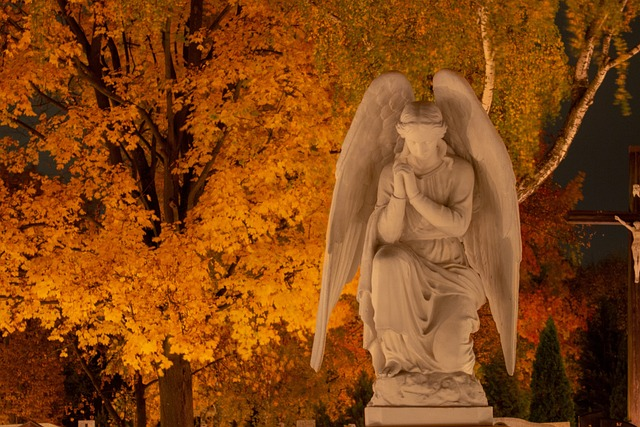
On All Saints’ Day, Christians honor all saints, whether known or unknown, who have lived godly lives and served as examples to believers.
This day is marked by church services, prayers, and the lighting of candles in remembrance of the saints. It’s a time for believers to reflect on the legacy of the saints and their impact on the church.
All Saints’ Day seeks to inspire Christians to emulate the dedication, virtue, and commitment of the saints as they look forward to the coming year.
The Ethical Dilemma – Should Christians Celebrate Halloween?
Should Christians celebrate Halloween? This is a question that often sparks debate among believers. Some argue that participating in Halloween goes against Christian principles, while others believe it can be a harmless celebration. Let’s explore the ethical dilemma surrounding Christians and Halloween.
Arguments In Favor Of Participation
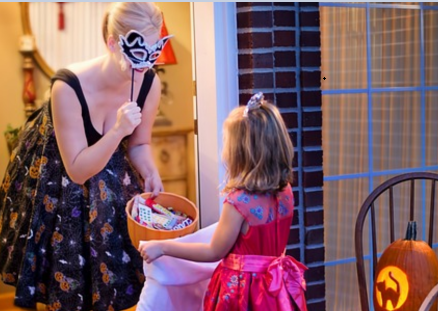
Participating in Halloween presents an opportunity for Christians to engage with their communities in a spirit of kindness and outreach. It allows them to demonstrate God’s love and build relationships, especially for the little ones who get to dress up and have fun with friends and family.
Many Christian communities also host alternative events, providing a safe environment for children and an opportunity to shine the light of Christ in the midst of cultural practices.
Arguments Against Participation
Some Christians abstain from Halloween because of its historical ties to pagan rituals and witchcraft. Concerns about the glorification of evil spirits, occult symbols, and themes of death are also prevalent.
Avoiding Halloween may be a way for Christians to uphold their faith and steer clear of any conflicting holiday customs. For some, the darker aspects of Halloween clash with their commitment to honor God in all they do. The celebration raises questions about the compatibility of Christian beliefs with certain customs.
A Personal Decision
Ultimately, deciding whether to celebrate Halloween is a personal choice guided by individual convictions. Christian families consider the potential impact on children, aiming to uphold biblical principles.
Each believer must prayerfully assess how their participation aligns with their faith and values. Approaches to Halloween vary among Christians, reflecting diverse perspectives and convictions within the faith community. It’s important for Christians to respect each other’s choices regarding Halloween activities.
How Can Christians Approach Halloween Decisions?
Approaching Halloween decisions as Christians involves seeking wisdom through prayer, biblical discernment, and thoughtful reflection. Engaging in open dialogue with fellow believers can offer valuable insights.
Understanding the history and origins of Halloween helps make informed decisions. It can also be an opportunity to share the gospel, counteract fear, and extend compassion. Prioritizing kindness, love, and the message of Christ guides the decision-making process.
Frequently Asked Questions
What is the history and origin of Halloween?
Halloween has its roots in the ancient Celtic festival of Samhain, which marked the transition from harvest to winter.
The festival involved bonfires and costumes to ward off evil spirits. Adopted by Christians as All Saints’ Day, pagan traditions persisted. Today, Halloween is celebrated worldwide with costumes, parties, and trick-or-treating.
Why do some Christians believe that celebrating Halloween goes against their beliefs?
Some Christians believe that participating in Halloween contradicts their faith due to its pagan roots and association with evil entities. They view it as potentially leading to the involvement in activities that are against their religious teachings.
However, others see Halloween as a secular holiday with no spiritual significance.
Are there any alternative ways for Christians to observe Halloween?
There are several alternative ways for Christians to observe Halloween. Some choose to focus on the positive aspects, like spending time with family and friends. Others opt for alternative celebrations such as “Trunk or Treat” events at their church or hosting a fall festival.
Ultimately, it is a personal decision guided by beliefs and values.
How can Christians reconcile their beliefs with popular cultural traditions surrounding Halloween?
Christians can navigate the cultural traditions of Halloween by aligning their celebrations with their beliefs. They can choose alternatives like fall festivals or church events. Ultimately, it’s a personal decision that should be made with prayer and discernment.
Conclusion
In conclusion, the question of whether Christians can celebrate Halloween is a complex and personal one. It is important to understand the historical origins and cultural significance of Halloween before forming an opinion.
While some Christians may choose to participate in Halloween festivities as a way to engage with the community and celebrate in a lighthearted manner, others may feel that it conflicts with their beliefs and choose to abstain.
Ultimately, it is up to each individual or family to prayerfully consider their convictions and make a decision that aligns with their faith. The key is to approach the topic with respect and understanding, recognizing that different Christians may have different perspectives on this matter.