




Are you looking to deepen your understanding of the Bible? Are you seeking guidance on how to read the scriptures effectively and apply their teachings to your daily life?
Look no further, because in this comprehensive guide, we will explore the importance of reading the Bible, selecting a suitable version, deciding where to start, implementing a plan, enhancing your experience with devotionals and studies, and maintaining engagement and interest.
Whether you are a beginner or have been reading the Bible for years, this guide is designed to help you navigate the rich and transformative journey of reading the word of God.
Understanding The Importance Of Reading The Bible
When diving into the world of Bible reading, understanding the significance it holds in a believer’s life is the first thing to grasp. The Bible isn’t just any book; it’s the good news that offers guidance and wisdom throughout life’s journey.
Engaging with bible verses is the best way to comprehend the values and lessons it imparts, and choosing a suitable version such as New Living Translation or New King James Version can make the experience more enriching.
Whether starting from Matthew, Deuteronomy, or even the Epistles, the Bible plays a vital role in nurturing spiritual growth as it provides a little bit of everything – history, poetry, prophecy, and more.
Embracing the Lord’s word through beginner-friendly resources like YouVersion can open new doors to a deeper understanding of the Hebrew and Greek scriptures.
The Influence Of The Bible On Christian Life

The influence of the Bible on the lives of Christians is profound. It shapes beliefs, values, and moral compass, offering inspiration, teaching, and correction for daily living. Reading the Bible enhances faith, prayer life, and communion with God, providing guidance on decision-making, relationships, and personal conduct.
Moreover, it offers a framework for understanding the purpose and meaning of life. The scriptures in the new living translation, like those found in Matthew, Deuteronomy, and Ephesians, help to illuminate this influence, making it easier to engage in meaningful conversations about the good news with others.
Embracing the Bible’s teachings is the best way to cultivate a deeper understanding of the Lord’s word and strengthen one’s spiritual journey.
Spiritual Growth Through Bible Reading
Consistently delving into the scriptures leads to spiritual growth and a deeper understanding of God’s will, fostering a transformation of character, attitudes, and actions in line with the teachings of Jesus Christ.
Engaging with the Bible empowers Christians to resist temptation, strengthen their faith, and share the good news. It provides insight, encouragement, and strength for navigating life’s challenges, nurturing heartfelt devotion, gratitude, and reverence towards God.
Embracing the scriptures is the best way to grow spiritually and find strength in times of need.
The new living translation and the new king james version are excellent for beginners, offering a user-friendly experience when reading bible verses from books like Matthew, Deuteronomy, Joshua, Exodus, Luke, Ephesians, and many others.
Utilizing YouVersion for regular engagement with the scriptures is a great first step in spiritual growth.
Selecting A Suitable Version Of The Bible For Reading

When choosing a Bible version, it’s essential to consider which one aligns best with your reading preferences. The good news is that there are various translations available, so the first thing to do is to research and understand the different options.
If you’re a beginner, starting with a new living translation or new king james version can be the best way to ease into reading the Bible. Consider exploring bible verses from different versions like Matthew, Deuteronomy, Joshua, and more to see which resonates with you.
The key is to find a version that speaks to you and helps you engage with the word of the Lord.
Factors To Consider While Choosing A Bible Version
When choosing a Bible version, it’s important to consider various factors. Firstly, think about the translation method, accuracy, and readability of the Bible version. Also, reflect on your target audience, purpose of reading, and personal preferences when selecting a version.
Additionally, assess the scholarly credentials, reliability, and theological background of the translation team. It’s crucial to evaluate the literary style, language, and cultural relevance of the Bible version.
Lastly, ensure that the chosen version aligns with your doctrinal beliefs, study goals, and spiritual growth aspirations. This will help you find a version that resonates with you and supports your journey of understanding the good news and teachings of the Bible.
Advantages Of User-Friendly Translations

User-friendly translations make reading the Bible more accessible, enjoyable, and understandable. They use clear, modern language, making the scriptures relatable to readers of all ages.
Additionally, these versions often include reader-friendly formats, study aids, and helpful supplementary materials to enhance the overall reading experience. By utilizing user-friendly translations, readers can more easily memorize, reflect on, and apply the teachings of the Bible in their daily lives.
The use of clear, contemporary language in these translations also removes barriers to understanding, ensuring that the scriptures remain engaging and comprehensible to all.
Deciding Where To Start Reading The Bible
The best way to start reading the Bible is by choosing a beginner-friendly version like the New Living Translation or the New King James Version. The first thing to do is to dive into the good news of Matthew, the history of Joshua, or the foundational book of Genesis.
You can also start with the epistles in the New Testament for a little bit of insight into Christian living.
Begin with the book of Exodus to learn about God’s chosen people, or perhaps read from the book of Luke to understand Jesus’ life and teachings. Exploring the books of Samuel and Deuteronomy can also provide a well-rounded introduction to the Bible.
In this way, you can gradually ease into the world of Bible verses and gain a better understanding of the Lord’s teachings.
Introduction To The Books Of The Bible

The Bible encompasses 66 books, classified into the Old and New Testaments, each presenting unique themes and messages. Its Old Testament comprises historical records, poetry, prophecy, and the Mosaic law, offering insights into God’s covenant with Israel.
On the other hand, the New Testament centers on the life, teachings, and redemptive work of Jesus Christ, the early church, and eschatological themes. Every book within the Bible contributes to the overarching narrative of God’s plan for humanity, redemption, and restoration.
Acquainting oneself with the Bible’s books enriches contextual comprehension, interpretation, and application of the scripture.
Suggestions For Starting Points
When you’re exploring the Bible for the first time, you might want to start with Genesis.
This first book of the Bible tells the story of creation, early history, and the patriarchal narratives. If you’re interested in learning about Jesus Christ’s life, miracles, teachings, and divine nature, the Gospel of John is a good starting point.
Psalms offers a collection of prayers, hymns, and laments that reflect various human experiences and emotions. For a deeper understanding of the theological foundations of Christianity, salvation, and the righteousness of God, consider delving into the book of Romans.
Lastly, Acts of the Apostles provides an account of the early church, the spread of the gospel, and the work of the Holy Spirit.
Implementing A Bible Reading Plan

When it comes to implementing a Bible reading plan, selecting the right version is essential. Choosing between versions like the New Living Translation or the New King James Version can make a big difference in how you connect with the text.
Once you’ve chosen a version, finding the best way to start can be the next hurdle.
From diving into Matthew or exploring the stories in Exodus, starting with a beginner-friendly book like Luke can make a difference. Implementing a personalized plan that incorporates a little bit of Old Testament and New Testament, along with Psalms and Proverbs, can provide a well-rounded experience.
Utilizing resources like YouVersion can also enhance your reading plan by providing daily verses and devotionals to keep you engaged and on track.
Importance Of Consistent Bible Reading
Consistent engagement with the Bible facilitates a deeper understanding of the word of God, providing guidance, encouragement, and fostering spiritual growth.
Delving into the teachings of Jesus Christ through regular reading strengthens the connection to faith, making it an essential component of a Christian’s life.
Maintaining a consistent habit of Bible reading allows individuals to meditate on verses from books like Matthew, Deuteronomy, Joshua, and Luke, enhancing their spiritual journey.
Whether using the New Living Translation, New King James Version, or other translations, the key is to find the best way to engage with the good news found in the Bible and apply its teachings to daily life.
Tips For Creating A Personalized Reading Plan
When it comes to creating a personalized reading plan, it’s essential to tailor it to your schedule and preferences. Using a Bible app can be a great way to access reading plans, especially those organized chronologically or by book of the Bible.
To make it more manageable, consider breaking up your reading into smaller portions, fitting them into your daily routine, like during lunch break or before bed. Finding a comfortable and peaceful place to read is important for concentration, whether it’s a cozy corner at home or a quiet spot in a local bookstore.
If you’re a beginner, starting with the gospel of John or the book of Acts of the Apostles can be a good way to ease into the journey of reading the Bible.
Enhancing Bible Reading Experience With Devotionals And Studies
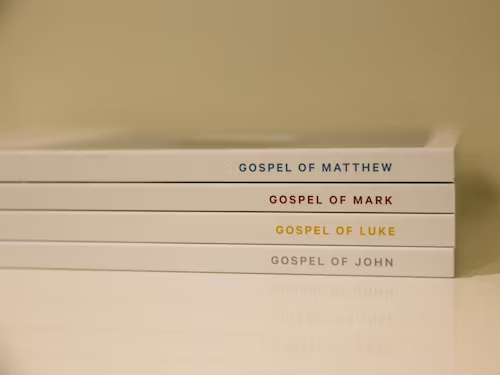
One way to enhance your experience of reading the Bible is by delving into devotionals and studies. These resources can provide valuable insights and context, making the biblical text more relatable and understandable.
When you engage with devotionals and studies, you get a little bit extra from the verses, gaining deeper spiritual understanding. The New Living Translation or the New King James Version are good options for beginners, offering a clear interpretation of the Bible’s message.
Whether you’re exploring the Gospels of Matthew and Luke or the wisdom in Proverbs and Ecclesiastes, devotionals can be the best way to comprehend and apply the teachings to your life.
By using resources like YouVersion and carefully selected devotionals on the books like Ephesians and Isaiah, you can enrich your understanding and connection with the Lord.
Role Of Devotionals In Understanding The Bible
Engaging with devotionals offers a more personal and reflective approach to studying scripture. These resources go beyond the text, providing practical applications of biblical principles to everyday life.
They deepen our connection to the teachings of both the Old and New Testaments, broadening our understanding of biblical characters and events, from Matthew to Deuteronomy, and from Joshua to Luke.
Devotionals serve as a source of encouragement and reflection for Christians, providing a little bit of good news and insight each day.
Utilizing devotionals, especially in beginner-friendly versions like the New Living Translation or the New King James Version, is the best way to delve into the Word, offering a fresh perspective on verses from Exodus to Ephesians, Isaiah to the epistles.
Whether it’s the Lord’s message in Hebrew or the original Greek, devotionals help enrich the reading experience, and platforms like YouVersion offer a variety of devotionals and studies to choose from.
Recommendations For Bible Study Resources

Looking for some great resources to dive deeper into your Bible study? One of the best ways to enhance your understanding is by utilizing study Bibles, as they provide valuable explanations, background, and insights for a more comprehensive comprehension.
Additionally, commentaries are a fantastic resource, offering detailed explanations of scripture that can aid in your understanding. To make things even more accessible, consider using Bible study apps, which offer instant access to a wide range of study resources, reading plans, devotionals, and study tools.
And if you prefer a more hands-on approach, engaging with devotionals, specific books of the Bible, and verse-by-verse study guides can be incredibly beneficial. With these resources at your fingertips, you’ll be well-equipped to embark on a meaningful Bible study journey.
Maintaining Engagement And Interest In Bible Reading
Exploring the entire Bible, from Genesis to Revelation, can definitely keep things interesting. It’s like discovering the good news in every book, making it the best way to keep engaged.
Reading the same bible verses in a new living translation, then switching to the ESV or NKJV, offers a little bit of a beginner’s journey and a fresh perspective. Utilizing a Bible app to access books of the Bible separately is the first thing.
And of course, reading the bible in chronological order, starting from Matthew, Deuteronomy, Joshua, Exodus, Luke, Ephesians, Isaiah, or the epistles, offers a new way to engage with the scripture. It’s the best way to maintain interest and gain a broader understanding.
How Can Meditating On Verses Improve Your Understanding?
Meditating on verses enhances understanding by reflecting on scripture’s meaning and application, fostering spiritual growth. It helps internalize God’s word, discover overarching themes, and grasp concepts like resurrection, redemption, and encouragement.
Deeply connecting with the teachings of the Bible is possible through verse meditation.

Frequently Asked Questions
What are some common misconceptions about reading the Bible?
Common misconceptions about reading the Bible include viewing it as a book of rules, taking it literally without considering context, and thinking only scholars can understand it. In reality, the Bible is a collection of stories and teachings that can be accessible to anyone with an open mind and humility.
How can I choose a Bible translation that is right for me?
Consider your purpose for reading the Bible and your familiarity with the language. Compare popular translations like the NIV, KJV, and ESV by looking up sample verses online. Try different translations until you find one that resonates with you.
What are some helpful study tools or resources to use when reading the Bible?
Some helpful study tools or resources to enhance your Bible reading experience include a study Bible with notes and cross-references, concordance resources for finding specific words or verses, scholarly commentaries for deeper insights, and online platforms offering various tools and resources like Bible study apps or websites.
How can I apply what I learn from the Bible to my daily life?
Applying the lessons and messages from the Bible to daily life involves reflecting on them, identifying areas for application, making a plan, and regularly revisiting the Bible. By doing so, you can incorporate biblical teachings into your routine and actions, growing in faith.

Conclusion
In conclusion, reading the Bible is not just a religious practice but also an opportunity for personal growth and spiritual development. It provides guidance, wisdom, and insight into various aspects of life.
By selecting a suitable version of the Bible and deciding where to start, you can embark on a transformative journey of understanding and reflection. Implementing a consistent reading plan and incorporating devotionals and studies can enhance your experience and deepen your understanding of the text.
It is important to maintain engagement and interest by meditating on verses and applying the lessons learned to your daily life. Remember, reading the Bible is a personal journey, and finding the right resources and tools that resonate with you is key.