




Are you interested in reading the Bible, but not sure where to start? Whether you’re a beginner or someone looking to get back into reading God’s word, this guide is for you.
The Bible is a rich and complex book, but with a few key tips and strategies, you can dive in and begin your journey faith. In this beginner’s guide, we’ll explore how to choose a user-friendly Bible version, where to start reading, how to establish a daily reading habit, and how to make the most of study resources.
So let’s get started on this exciting and transformative journey!
Choosing A User-friendly Bible Version
When starting to read the Bible for the first time, it’s essential to choose a user-friendly version that suits your needs. Look for versions like New International Version (NIV), New Living Translation (NLT), or King James Version (KJV) that are known for their easy-to-understand language.
For beginners, starting with the New Testament, particularly the Gospel of John’s account of Jesus’ life, death, and resurrection, is often recommended as a good place to begin. These versions provide a clear understanding of the Messiah and His good work, making it easier for beginners to connect with the text.
Importance Of An Easy-To-Read Bible

When delving into the Bible for the first time, choosing the best place to start is crucial. An easy-to-read version, such as the New International Version (NIV) or the
New Living Translation (NLT), can make John’s account of the life and burial of Jesus in Matthew, Romans, Luke, Ephesians, and Philippians accessible for beginners.
This user-friendly approach allows for a deeper understanding of the Messiah’s teachings and the emotional depth of the whole Bible, fostering spiritual growth and faithfulness.
Different Types Of Bible Versions
When exploring different Bible versions, it’s fascinating to consider the unique perspectives presented by various translations. Diverse insights from different authors and translation methods offer new dimensions to the timeless message.
It’s essential to choose a version that aligns with your learning preferences, whether it’s the New International Version (NIV) for the first time readers or the King James Version (KJV) for a more traditional approach.
Each version presents the whole Bible in a fresh, relatable manner, making it a good starting point for beginners.
Where To Start Reading In The Bible

Starting with the New Testament is often considered the best place for beginners to begin reading the Bible. The book of Matthew provides John’s account of Jesus, while Romans and Luke offer good work for understanding the teachings of the Savior.
Moreover, Ephesians and Philippians are recommended for first-time readers. The New International Version (NIV) and New Living Translation (NLT) are user-friendly options for beginners, providing an easier understanding of the whole Bible.
For those interested in a more traditional approach, the King James Version (KJV) offers a classic translation.
Starting With The New Testament
In the New Testament, pivotal events in the life of Jesus are introduced, offering a fast-paced account of His ministry in the gospel of Mark. The book of John provides a deeper insight into the life of Jesus, while the book of James offers practical encouragement.
Engage with different perspectives of early Christian faith as you explore the New Testament, which is a good place for beginners to start. It’s a great opportunity to connect with the Savior and understand the foundational teachings of the whole Bible.
Reading The Old Testament

Delving into the Old Testament allows us to uncover the history of mankind and God’s faithfulness. Exploring Genesis presents the origins of the universe and mankind, while engaging with the practical wisdom in Proverbs offers invaluable insights.
Additionally, discovering encouragement and devotionals in Psalms provides spiritual nourishment. Uncovering the prophetic message of Isaiah further enriches our understanding of the Old Testament.
Daily Bible Reading
When diving into daily Bible reading, it’s essential to find the best place and choose a user-friendly version like NIV or NLT for beginners. Starting with the New Testament, Matthew, Romans, Luke, or Ephesians are good places to begin. Setting up a daily reading schedule and staying consistent is key.
With the NIV or NLT, the savior’s burial and John’s account in the Gospels come alive, making daily reading a transformative experience. Embracing the emotional depth and the Messiah’s role in Philippians can also enhance your journey through the whole Bible, whether it’s your first time or you’re a seasoned reader.
Setting Up A Daily Reading Schedule
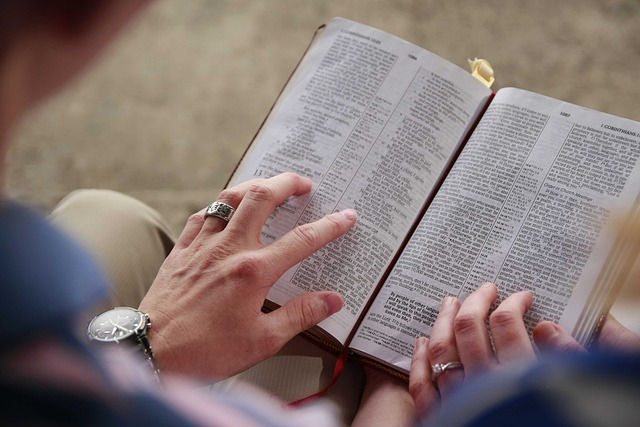
When starting to read the Bible, setting up a daily reading schedule is crucial. Creating a structured plan for manageable study sessions helps in maintaining consistency.
It’s important to set achievable reading goals and designate a specific time for uninterrupted devotion to scripture. Additionally, utilizing study aids and footnotes can enhance the daily reading experience, allowing you to harness the wisdom of different authors by incorporating a variety of readings.
This approach ensures that you gradually immerse yourself in the whole Bible, from Matthew to Romans, Luke to Ephesians.
Staying Consistent In Your Reading
Creating a dedicated reading space that fosters focus and reflection is key. Make daily Bible reading a part of your routine for spiritual growth and sustenance. Scripture provides practical encouragement to help you stay consistent in your reading journey.
Leverage devotionals and study resources to keep your engagement sustained. Consider joining or creating a study group to foster accountability and a sense of community.
Utilizing Bible Study Resources

When diving into studying the Bible, it’s important to utilize the best place for beginners. The New International Version (NIV) is often recommended for first-time readers. It’s a good work to explore John’s account in the New Testament or the book of Romans, which provides insight into the Gospel.
While the whole Bible is essential, starting with the Gospel of Matthew, Luke, or Ephesians can provide a solid foundation. Utilizing NIV or New Living Translation (NLT) can also aid in understanding.
Additionally, exploring the original Hebrew and Greek texts with a study Bible can enhance your understanding as a beginner. Embracing these resources can enrich your study of the Bible.
The Role Of Study Bibles
Have you ever considered using a study Bible? These gems provide practical encouragement and context for your reading, offering different perspectives from various authors, bolstering your understanding of the entire Bible.
With footnotes, maps, and devotionals, a study Bible can truly enhance your scripture comprehension. It’s especially beneficial for first-time readers, providing a deeper understanding of Jesus’ life and teachings. A study Bible is indeed the best place to start your journey into the world of biblical wisdom.
Using Commentaries For Deeper Understanding
For deeper understanding, commentaries enrich Bible study with insights from various authors, offering practical encouragement and different perspectives. They shed light on the historical and cultural background, clarifying complex passages and providing practical advice.
Additionally, commentaries help in understanding the early church and the history of Christian faith, making them a valuable resource for anyone looking to delve deeper into the Bible.
Enhancing Your Bible Reading Experience

Enhancing your experience of reading the Bible can be incredibly rewarding. Starting with a user-friendly Bible version is a good place for beginners. Using the New International Version (NIV) or the New Living Translation (NLT) could be helpful.
Also, taking the time to pray before reading and journaling your reflections can add depth to your understanding of the text. Incorporating these practices can enhance your overall Bible reading experience and bring you closer to the message within the scriptures.
The Value Of Prayer Before Reading
Before diving into your reading, it’s always best to begin with prayer. Start by inviting the Holy Spirit to provide guidance and understanding as you embark on your journey through the scriptures.
Let prayer open your heart to God’s word, fostering a deeper connection with the scripture. Seek practical encouragement through prayer, asking for wisdom and insight into the gospel.
By allowing prayer to guide your study, you will find spiritual nourishment and faithfulness in your devotion. This sets the tone for a meaningful reading experience, inviting the presence of the Lord.
Journaling As A Tool For Reflection
Practically, journaling provides space for personal reflection, allowing engagement with scripture and offering fresh perspectives. Employing journaling deepens understanding of the gospel of John, fostering self-discovery and faithfulness.
Through journaling, thoughts and emotions can be captured, creating a personal record of the journey. It’s a valuable tool for embracing the emotional depth of the Bible, strengthening the connection between the reader and the text.
Practical Advice For Bible Study

When diving into Bible study, it’s important to keep the focus on Jesus and embrace the emotional depth of the Bible. Remember that the Bible isn’t just a historical account but a living, breathing message from our Savior.
As a beginner, using an easy-to-read version like NIV or NLT can make a world of difference. Explore John’s account in the New Testament or delve into the inspiring verses of Philippians and Ephesians for a good start.
The burial and resurrection of Jesus in the Gospels of Matthew, Mark, Luke, and John are also excellent places to begin.
Keeping The Focus On Jesus
When keeping the focus on Jesus, let His teachings provide practical encouragement and spiritual growth. Embrace John’s account to gain insights into His life and teachings.
Let the scripture guide your devotion for renewed perspective. Focus on practical encouragement and allow His teachings to shape your understanding of scripture. Keep Christ at the center of your study, seeking inspiration and guidance from His word.
Embracing The Emotional Depth Of The Bible
Connect with the emotional depth of the Bible to experience a range of feelings and reflections. Explore various authors and their unique perspectives, delving into the gospel of Mark to witness the emotional journey of Jesus and His disciples.
Let the scripture ignite practical encouragement, fostering a deeper connection with the gospel. Engage emotionally with the text, seeking personal growth and faithfulness. Embrace the practical inspiration that the emotional depth of the Bible offers, allowing it to resonate deeply within you.
How Can Reading The Bible Improve Your Life?

Discover the transformative power of reading the Bible. Gain practical encouragement and timeless wisdom, fostering faithfulness and growth in your Christian journey. Embrace different perspectives from scripture, allowing it to guide and enrich your life with new insights and inspiration.
Frequently Asked Questions
What are some good starting points for someone who wants to begin reading the Bible?
If you’re looking to start reading the Bible, there are a few good starting points to consider. The Gospel of John provides insight into the life and teachings of Jesus. The Book of Psalms offers poetry and prayers for reflection. Genesis shares the creation story. You can also use devotional books or guides for context.
How can I better understand the context and meaning behind certain passages in the Bible?
To better understand the context and meaning of specific Bible passages, study the historical and cultural context of the time they were written. Consult a Bible dictionary or concordance for unfamiliar words or phrases. Read surrounding verses and chapters for a holistic understanding. Pray for guidance before studying.
Are there any resources or study guides that can help me navigate my reading of the Bible?
Certainly! There are various resources and study guides available to assist you in navigating your Bible reading journey. You can explore Bible apps like YouVersion, utilize study Bibles with insightful notes and explanations, or delve into commentaries written by biblical scholars.
Additionally, joining a Bible study group or finding a mentor can provide valuable guidance and answers to your questions. Approach your reading with an open mind and heart, seeking understanding and growth in your faith.
How can I make a habit out of regularly reading the Bible?
To develop a habit of regularly reading the Bible, choose a consistent time and place. Set achievable goals like reading a chapter or a certain number of verses daily. Utilize devotional materials or study guides for guidance. Stay accountable by joining a small group or finding a reading partner.

Conclusion
In conclusion, starting to read the Bible can be a transformative journey. Choosing a user-friendly version that suits your needs is crucial to make the experience enjoyable.
Whether you start with the New Testament or dive into the Old Testament first, the key is to stay consistent and set up a daily reading schedule. Take advantage of study resources like study Bibles and commentaries to gain deeper understanding.
Enhance your Bible reading experience by praying before reading and journaling for reflection. As you immerse yourself in the Scriptures, keep your focus on Jesus and embrace the emotional depth of the Bible.
Reading the Bible has the potential to greatly improve your life, bringing wisdom, guidance, and a deeper connection with God. If you found this beginner’s guide helpful, don’t forget to share it with your friends on social media.