




What does it mean to be a Christian? This question has been asked and pondered upon for centuries, as people seek to understand the significance of this religious faith. Christianity, the world’s largest religious group, has influenced cultures, traditions, and societies across the globe.
In this blog, we will delve deep into the meaning of Christianity, its origins, core beliefs, and how it shapes the way of life for its followers. We will also explore the true definition of a Christian according to the Bible, rather than society’s changing perceptions.
Defining Christianity
At its core, Christianity is a faith that centers around the life, teachings, death, and resurrection of Jesus Christ. The word “Christianity” itself comes from the Greek word “Christianos,” which means “follower of Christ.”
It first came into use to refer to disciples of Jesus in the first century. Today, the term “Christian” conveys a new creation or a new world in Christ, where believers have a personal relationship with Jesus and strive to live a life based on his teachings.
This is especially important to remember as we approach Easter Sunday in April, a time when Christians around the world celebrate the event that gave us the privilege of being who we are today.
Understanding The Term

The word “Christian” originates from the Greek word “Christianos,” meaning “follower of Christ.” It was first used to describe the disciples of Jesus in the early days of Christianity, making it a term with a rich history and meaning.
Being a Christian, therefore, involves a personal relationship with Jesus Christ, as believers strive to follow his teachings and example.
The term “Christian” conveys a sense of being a new creation or a member of a new world in Christ, making it a powerful and significant term for those who identify as followers of Jesus for the first time.
Modern Interpretations Of Christianity
Christianity has spread globally, transcending cultural boundaries and influencing societies in various ways. It is a faith that has evolved over time, adapting to different cultures and traditions.
In Western culture, Christianity has played a significant role in shaping the values, politics, and religious traditions of nations. From the time of its origins to the present day, Christianity has been a guiding force in the lives of millions of believers.
Regardless of geographical location, Christians around the world continue to uphold the teachings of Jesus Christ, finding new ways to express their faith and practice their religion.
The Origins Of Christianity
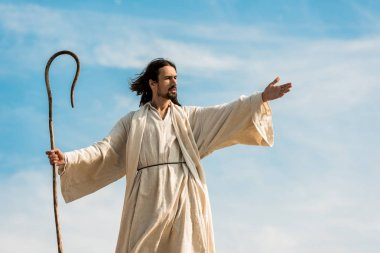
To truly understand what it means to be a Christian, we must first explore the origins of this faith. Christianity traces its roots back to Jesus of Nazareth, also known as Jesus Christ.
According to the New Testament of the Bible, Jesus was a charismatic leader in the first century, whose teachings and actions inspired a group of devoted followers. These followers, known as the disciples, were a mixture of Jews and non-Jews and spoke different languages, united by their faith in Jesus Christ.
These early believers were first called Christians at Antioch in what is now northern Syria, within around 20 years of Jesus’ death.
The Role Of Jesus Christ
Jesus Christ is central to the faith and beliefs of Christians. His life, teachings, death, and resurrection are foundational to the Christian faith. Christians believe that Jesus was not only a remarkable teacher and healer but also the Son of God.
They view him as the savior of humanity, who died on the cross to bring salvation to those who believe in him.
The Gospels of Matthew, Mark, Luke, and John provide accounts of Jesus’ life, teachings, and miracles, serving as a primary source of information about his role in Christianity.
Evolution Of Christian Teachings

The teachings of Jesus, along with the writings of his apostles, form the basis of Christian faith and practice. In the early days of Christianity, the apostle Paul played a crucial role in spreading the faith, particularly among Gentiles.
His letters, which make up a significant portion of the New Testament, addressed various theological issues and shaped Christian thinking. Over time, Christian traditions and practices have evolved, influenced by different cultures and contexts.
The early church formulated creeds to define essential beliefs about Jesus and faith, and these creeds continue to be recognized by Christians of various denominations, including influential figures such as Paul, Timothy, and Jesus himself.
Different Denominations Of Christianity
Christianity encompasses a diverse range of denominations, each with its own unique traditions, practices, and interpretations of the faith. While all Christians adhere to the core beliefs of Christianity, there are variations in how these beliefs are expressed and lived out.
Some of the major denominations include Catholicism, Protestantism, and Orthodoxy. Despite these differences, Christians across denominations share a common faith in Jesus Christ and strive to live a life that reflects their beliefs.
Catholicism

Catholicism is a significant branch of Christianity, led by the Pope in Rome. Catholics believe in the authority of tradition, scripture, and the magisterium (teaching authority of the church).
The sacraments, including the Eucharist and confession, are central to Catholic faith and practice. The Catholic Church has a rich history of saints, creeds, and theological teachings. The role of the Virgin Mary and the veneration of saints are also significant aspects of Catholic spirituality.
Protestantism
Protestantism originated from the Reformation in the 16th century, challenging certain practices of the Catholic Church. Protestants emphasize the authority of scripture, salvation by faith, and the priesthood of believers.
Some key aspects of Protestantism include:
- Emphasis on individual interpretation of the Bible
- Rejection of certain Catholic practices, such as the veneration of saints
- Belief in salvation by faith alone
- Diversity of denominations, including Lutherans, Baptists, and Methodists
Orthodoxy

Orthodox Christianity traces its roots back to the early church, particularly in the Byzantine Empire. The Eastern Orthodox Church places a strong emphasis on traditional liturgy, iconography, and mysticism.
Orthodox believers uphold the seven ecumenical councils and the Nicene Creed. The role of bishops, monasticism, and theosis (the process of becoming one with God) are foundational to Orthodox spirituality. The Orthodox Church has a strong presence in Eastern Europe, the Middle East, and other regions.
The Core Beliefs Of Christianity
Central to the Christian faith are its core beliefs, which guide the way of life for followers of Christ. These core beliefs include the belief in the Holy Trinity, salvation through Jesus Christ, and the importance of the Bible as a guiding text for faith and practice.
The Holy Trinity
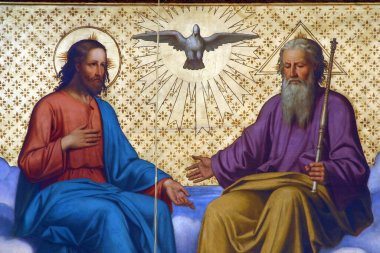
The Holy Trinity is a fundamental aspect of Christian theology. It represents the unity of God in three persons: God the Father, Jesus Christ the Son, and the Holy Spirit. Christians believe that these three persons are distinct, yet inseparable, and together they form one God.
The concept of the Trinity is a mystery that lies at the heart of Christian faith, and believers grapple with its full understanding. The Trinity is a concept that has been debated and explored by theologians and scholars for centuries, seeking to grasp the complexity of God’s nature.
Salvation through Jesus Christ
Central to Christianity is the belief that salvation comes through faith in Jesus Christ. Christians believe that Jesus, as the Son of God, willingly died on the cross to atone for the sins of humanity, and through his resurrection, offers the promise of eternal life.
This belief in Jesus as the savior of humanity is foundational to the Christian faith. Followers of Christ strive to live in accordance with his teachings, seeking forgiveness, and extending grace to others through the salvation offered by the Lord Jesus Christ.
The Bible As A Guiding Text

For Christians, the Bible serves as the primary guiding text for faith and practice. It consists of two main sections: the Old Testament, which contains religious writings predating the life of Jesus, and the New Testament, which includes accounts of Jesus’ life, teachings, and the early Christian church.
Christians view the Bible as the inspired word of God, a source of spiritual wisdom, guidance, and moral teachings. It is held in high regard, serving as a compass for believers as they navigate life’s challenges, make decisions, and strive to live out their faith.
Living As A Christian
To be a Christian is not solely about holding a set of beliefs, but also about living a life that reflects those beliefs. Living as a Christian involves embodying the principles of faith, love, and service, following the example of Jesus Christ.
The Role Of Prayer

Prayer plays a vital role in the Christian life. It is a way for believers to communicate with God, expressing gratitude, seeking guidance, and offering petitions. Prayer deepens the relationship between believers and God, fostering a sense of connection and trust.
Christians engage in both private and communal prayer, recognizing it as a powerful tool for spiritual growth, personal reflection, and seeking God’s will. Through prayer, believers find comfort, strength, and a sense of peace in the midst of life’s challenges.
Importance Of Fellowship
Christian fellowship emphasizes community, support, and a shared faith. Gathering together for worship, study, and mutual encouragement plays a significant role in the lives of believers.
Fellowship provides a sense of belonging, a support network, and a place for believers to grow in their faith. Christians view fellowship as essential for spiritual growth, allowing them to share their faith journey, learn from one another, and find encouragement in times of struggle.
It is a way to nurture relationships, build community, and live out the commandment to love one another.
Love And Charity In Action

Love and charity are central to the Christian way of life. Christians are called to show love, compassion, and mercy to others, following the example of Jesus Christ. Acts of charity and kindness reflect the values of love and service that define the life of a follower of Christ.
By embodying these principles, Christians strive to make a positive difference in the world, extending a helping hand to those in need, and demonstrating God’s love in action through their old way of thinking and embracing a new way of life.
What Challenges Do Modern Christians Face?
In a rapidly changing world, modern Christians face a range of challenges, both internal and external, as they seek to balance their faith with the demands of a secular society.
Some of these challenges include:
- Secularism: The gradual shift away from religious belief and practice in many parts of the world, leading to skepticism towards faith and religious institutions.
- Religious persecution: Christians in certain regions, particularly in the Middle East, face persecution and discrimination based on their religious beliefs.
- Cultural changes: The changing values, norms, and ethics of society can present challenges for believers, as they navigate new moral dilemmas and ethical questions.
- Balancing faith and a fast-paced culture: The consumer-driven, instant gratification culture of the modern world often clashes with the values of faith, making it challenging for believers to maintain a focus on their spiritual life.
Frequently Asked Questions
What are the core beliefs of Christianity?
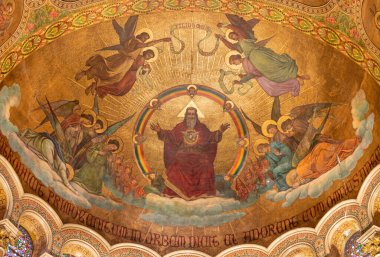
The core beliefs of Christianity include:
- The belief in the Holy Trinity, comprising God the Father, Jesus Christ the Son, and the Holy Spirit.
- The belief in the death and resurrection of Jesus Christ for the salvation of humanity.
- The belief in the Bible as the inspired word of God, serving as a guide for faith and practice.
- The belief in salvation through faith in Jesus Christ and the pursuit of a life that reflects his teachings and example.
How does being a Christian affect one’s daily life and decision-making?
Being a Christian influences one’s daily life and decision-making by providing a foundation of moral values and principles to guide one’s choices. The Christian faith emphasizes love, forgiveness, compassion, and integrity, which impact how believers interact with others and make ethical decisions.
Christians may engage in prayer, attend religious services, read the Bible, or participate in charitable activities as a way of incorporating their faith into their daily lives.
Following Christian beliefs can bring a sense of purpose, meaning, and community to one’s life, providing a framework for navigating life’s challenges and making choices that align with one’s beliefs.
Can someone be a Christian without attending church regularly?

While attending church is a significant aspect of Christian life for many believers, it is not the only indicator of one’s faith or relationship with God. Personal faith, beliefs, and a connection with God are not limited to church attendance.
However, attending church can provide a sense of community, support, and a place of worship for believers. It offers a shared experience of faith, opportunities for corporate worship, and a place to learn, grow, and serve alongside other believers.
Ultimately, whether someone attends church regularly or not, maintaining a personal relationship with God and living according to one’s faith is the foundation of being a Christian.
How does Christianity differ from other religions and belief systems?
Conclusion
In conclusion, the significance of understanding what it means to be a Christian lies in the core beliefs and teachings of Christianity. It is not only about personal faith and spirituality but also about living a life guided by love, compassion, and charity.
The origins of Christianity, the role of Jesus Christ, and the evolution of Christian teachings shape the foundation of this faith. While there are different denominations within Christianity, they all share the belief in the Holy Trinity, salvation through Jesus Christ, and the Bible as a guiding text.
Living as a Christian involves prayer, fellowship, and actively practicing love and charity in everyday life. However, modern Christians may face various challenges in upholding their faith in today’s world.
Ultimately, being a Christian is a personal journey, and it is important to respect and understand the beliefs of others.